
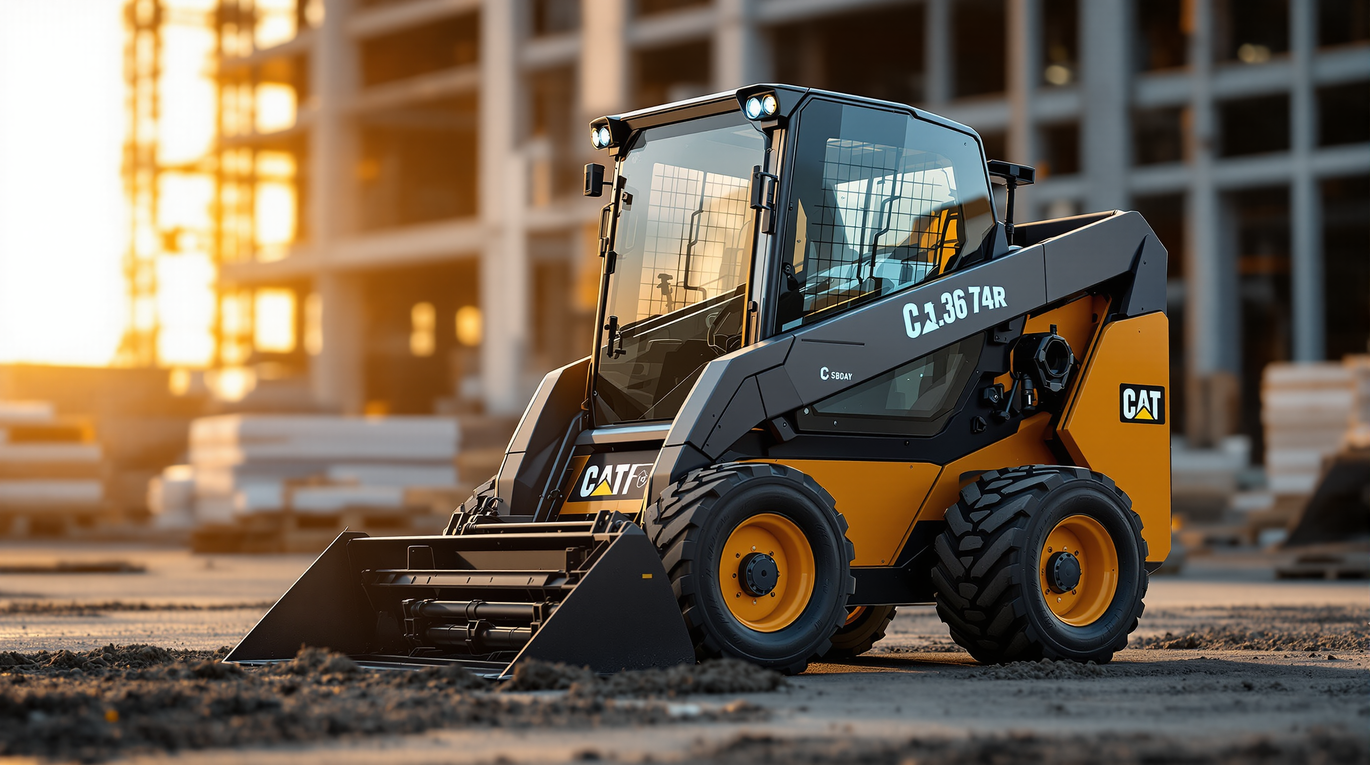
The Deloitte 2022 Engineering and Construction Industry Outlook report reveals that over half of construction executives struggle with severe labor shortages. These challenges have led manufacturers to redefine how skid steer loader operators work by improving productivity and comfort.
Modern design updates have brought remarkable gains in operator efficiency. Operators who feel comfortable can be more productive. Features like adjustable seats and climate control boost daily output by a lot. Manufacturers have reimagined everything from visibility to attachment management. Their machines now help operators achieve better results with minimal effort.
This piece explores the latest design updates that change how operators work. Smart controls and immediate performance tracking make a difference to your productivity on the job site.
How Modern Controls Boost Operator Performance
Modern control systems have transformed how skid steer loader operators interact with their machines. The transition from manual to electronic controls has reduced operator fatigue and improved precision.
Smart joystick customization
Electronic joysticks now provide extensive customization options. Operators can adjust control responsiveness based on their skill level and priorities. The latest systems let operators save three distinct control profiles that enable quick changes between operating styles or applications.
Automated attachment recognition
Smart skid steers now come with plug-and-play technology that automatically recognizes attached implements. The machine's display shows specific control layouts and settings for each attachment. The system also adjusts joystick functions to match the tool's requirements, which eliminates complex button combinations.
Precision control modes
Advanced control systems include specialized modes for specific tasks. Speed management lets operators set exact travel speeds while retaining full hydraulic power for attachments. Control sensitivity comes with three options - from precise movements for detailed work to quick response for production tasks.
Smart controls have significantly improved operator performance. Electronic features let operators "dial in" their needed travel speed in small increments. This matches speed to operation requirements while keeping maximum hydraulic power. Such control customization helps skid loader operators of all skill levels achieve better results in different applications.
Key Design Changes That Improve Visibility
"There are six main characteristics operators assess when looking for a skid steer: visibility, comfort, simplicity, attachments, power and capacity." — Mike Fitzgerald, Product Specialist at Bobcat Company
Visibility is the life-blood of modern skid steer loader operator efficiency. State-of-the-art designs have improved operators' knowledge of their surroundings. This allows them to work with greater precision.
Panoramic cab design
The latest cab designs feature a complete structural overhaul that puts visibility first. New models have 22% more cab volume and give operators 26% extra foot space. We focused on expanding window surfaces that led to a 59% larger rear window. The top window now gives 15% more viewable area.
The redesigned engine compartment sits lower in the frame and removes traditional blind spots. The cab's one-piece sealed construction keeps dust and debris out. It provides clear sightlines in all directions. The curved glass front doors give panoramic views. Operators can lean forward to see their bucket and attachment connection areas clearly.
Camera system integration
Modern skid steers now come with advanced camera systems as standard equipment. These systems give operators an unprecedented detailed 270-degree view of their surroundings through strategically placed cameras.
The system has multiple display options. These range from 5-inch standard LCD monitors to 8-inch advanced touchscreen displays. Operators can keep track of their work environment without straining or repositioning. The system switches to rearview automatically when backing up to show a closer view behind the machine.
High-definition resolution and LED assistance ensure clear visibility in low-light conditions. Side-mounted cameras work with the rearview system to create a smooth birds-eye view. This helps operators direct tight spaces with confidence.
Real-Time Performance Tracking Features
Performance tracking technology has transformed how skid steer loader operators monitor and boost their efficiency. Advanced telematics systems now give complete insights into machine utilization and operator performance through sophisticated dashboards.
Digital productivity metrics
Modern skid steers come with integrated systems that track significant performance data live. These platforms analyze material types moved, tonnage handled, and payload data to create detailed productivity reports. The system's machine learning algorithms assess efficiency patterns across equipment fleets and provide insights about jobsite productivity and equipment use. Operators get immediate feedback on:
- Cycle count and average cycles per hour
- Total and average payload measurements
- Runtime versus idle time ratios
- Payload per hour statistics
Operation efficiency scores
The latest monitoring systems create detailed utilization reports that help skid loader operators optimize their performance. These reports break down working percentages into specific categories, including long idle time (over 9 minutes), medium idle time (6-9 minutes), and short idle time (3-6 minutes). Managers can spot areas that need improvement and implement targeted training.
Fuel consumption monitoring
Advanced fuel tracking features measure fuel usage patterns precisely. The system tracks working time costs versus idle time costs, which lets operators make smart decisions about machine operation. The cost dashboard shows detailed breakdowns of:
- Total working time fuel consumption
- Idle time fuel expenses
- Cost per hour of operation
- Cost per payload moved
The system's notification feature proves valuable when operators need customizable alerts about maintenance and operation. Operators can fix potential problems before they affect productivity. The system also includes remote engine disable/enable features and motion detection capabilities that provide better security and monitoring options.
Smart Attachment Management
Smart attachment systems have transformed the way skid steer loader operators manage their tools. We focused on efficiency and these breakthroughs make the connection process smoother while boosting safety and productivity.
Quick-connect systems
Advanced hydraulic coupling systems now come with automatic pressure relief mechanisms that make attachment changes safer and faster. The latest designs have connect-under-pressure auxiliary coupler technology that reduces physical effort needed for hydraulic line connections. Operators can connect attachments without leaving the cab thanks to automatic decompression systems, which cuts downtime between tasks.
The quick-connect process has:
- Automatic dust cover removal to prevent contamination
- Self-cleaning coupling faces to ensure reliable connections
- Pressure relief valves to disconnect safely
- Automatic locking mechanisms to secure attachments
Multi-tool presets
Sophisticated preset management systems give modern skid loader operators specific settings for different attachments. The machine recognizes the tool instantly and adjusts control parameters when connected. These systems work with smart recognition technology to automatically set up joystick functions and match display screens to the attached implement.
Each attachment type gets its own settings for hydraulic flow rates, pressure limits, and control responsiveness through the preset system. Operators can store multiple configuration profiles using advanced electronic controls, which allows quick switches between different tools without manual recalibration.
Conclusion
Modern skid steer designs have reshaped the scene with smart updates that make operators more efficient. Operators can now customize controls precisely and work more confidently thanks to better cab visibility and camera systems. Up-to-the-minute data analysis helps them make smarter decisions on the job site.
New and experienced operators face common challenges that these improvements tackle head-on. Setup time between tasks has dropped because of automatic attachment recognition, preset management systems, and quick-connect technologies. These features work together to help operators stay productive all day long.
The construction industry's labor shortage issues are getting better because of these design updates. Skid steers have become easier to use with improved ergonomics, simpler controls, and smart assistance features. New operators can learn quickly while experienced users get better results. Manufacturers keep refining these technologies, and we'll likely see more advances that improve operator skills and make job sites run smoother.


